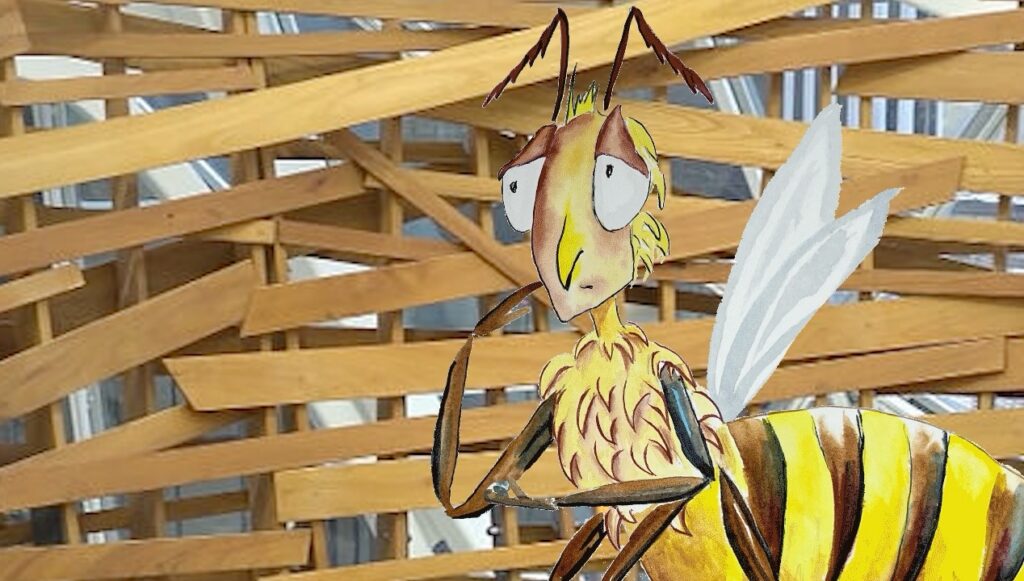
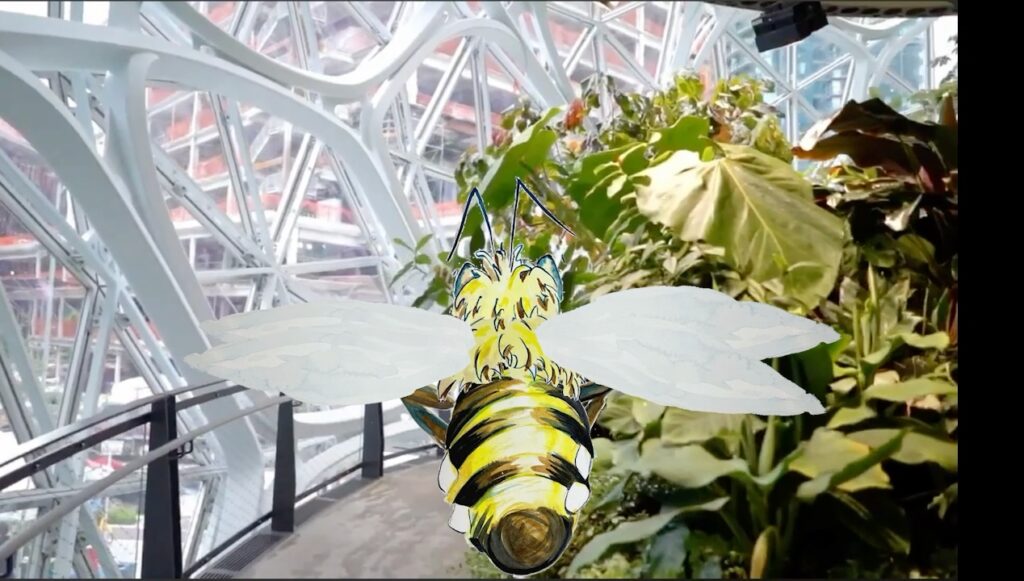
An early experiment in animation. Bee is a happy creative. The epilogue to the film, one can only hope, sees Bee continue their art practise and find joy in it. Leave the perfect renditions to AI and enjoy the process.
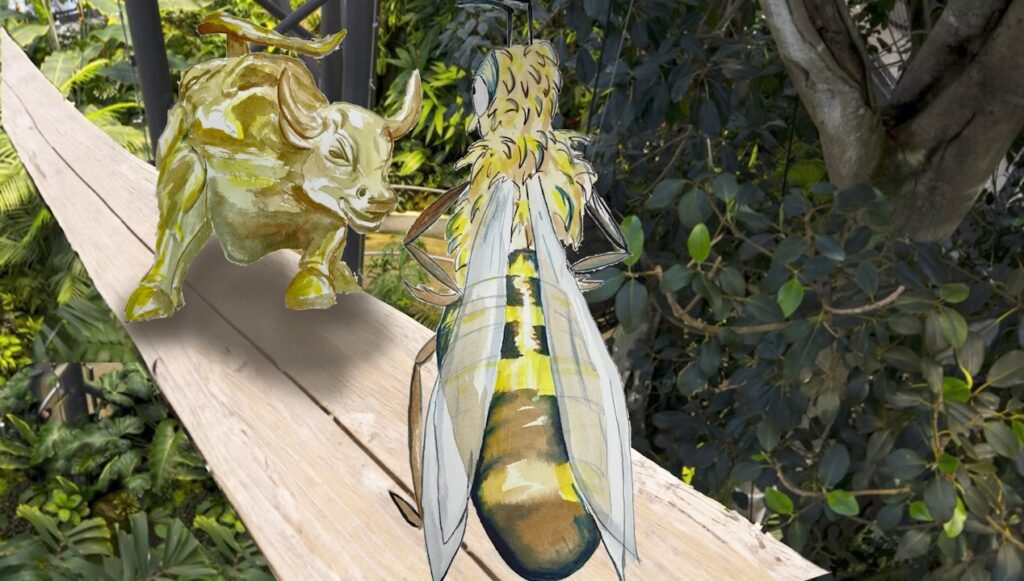
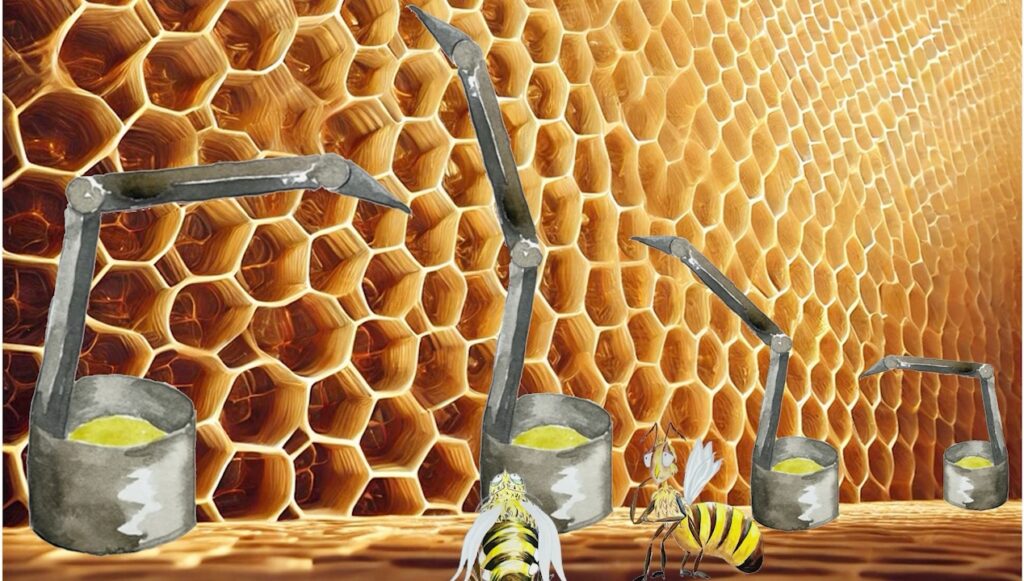
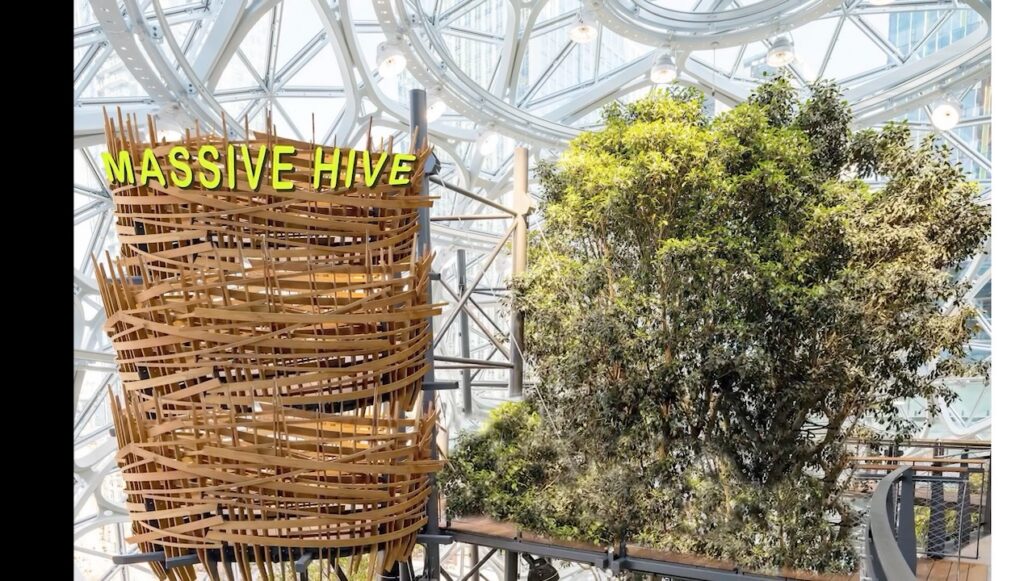
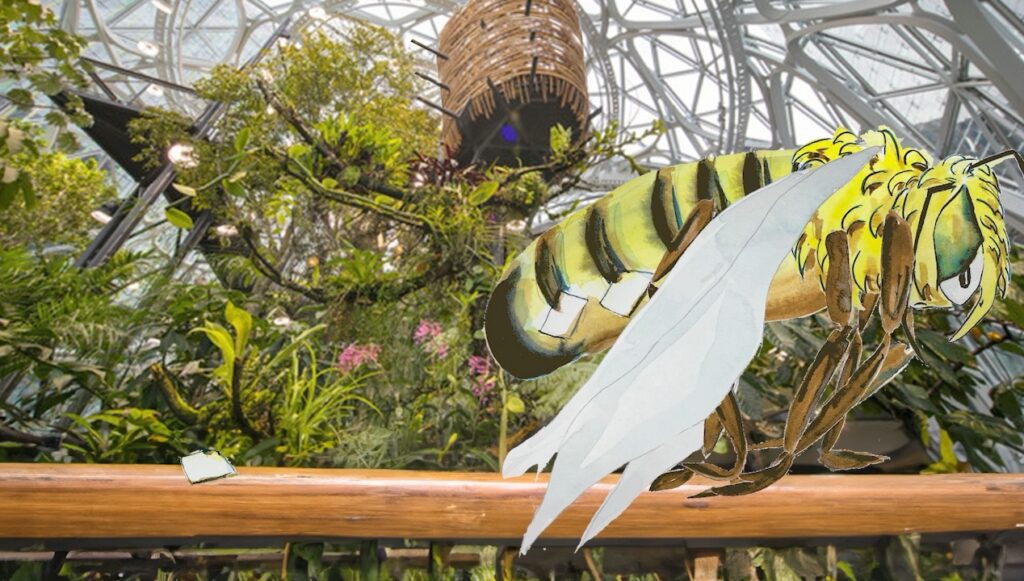
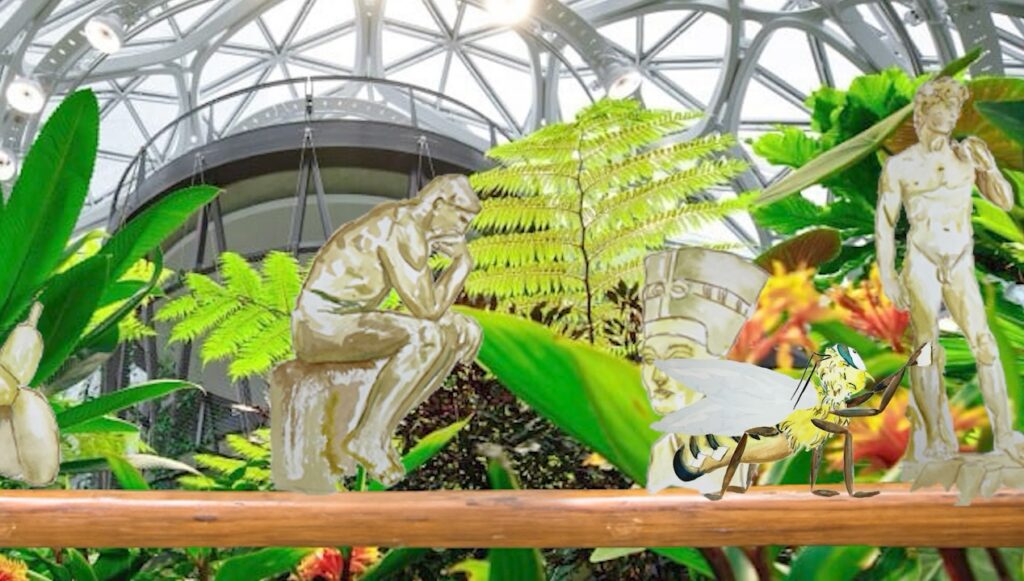
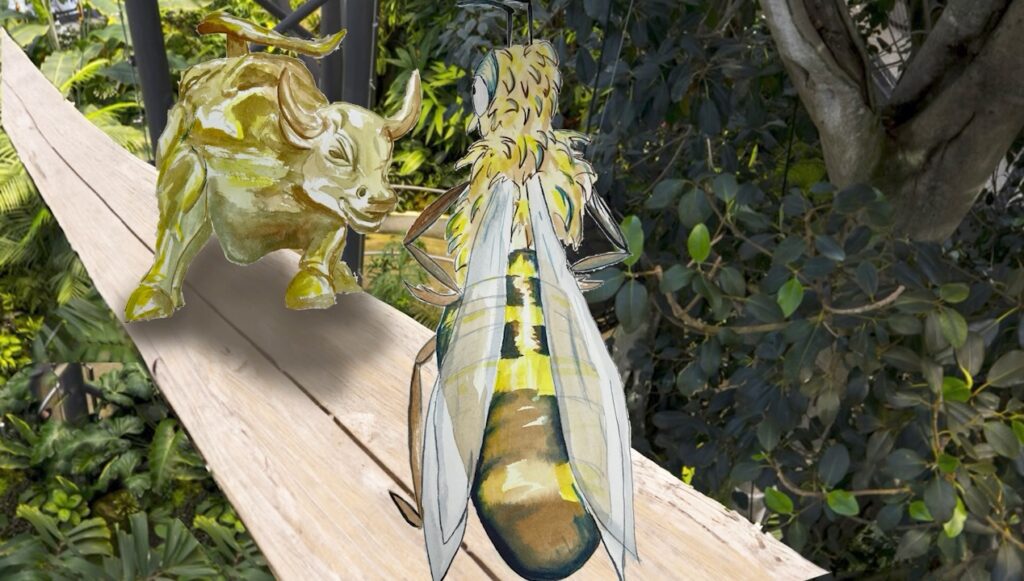
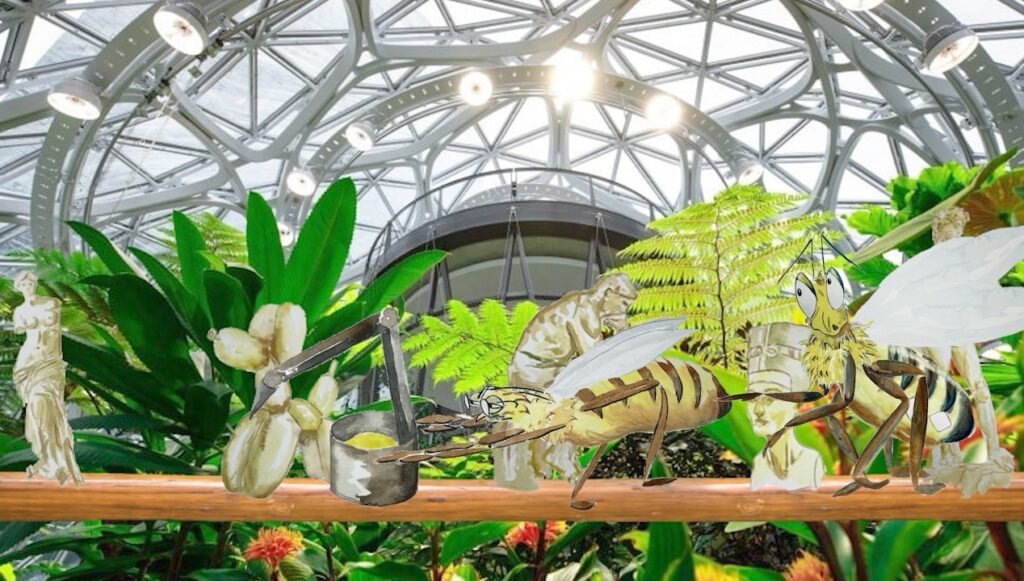
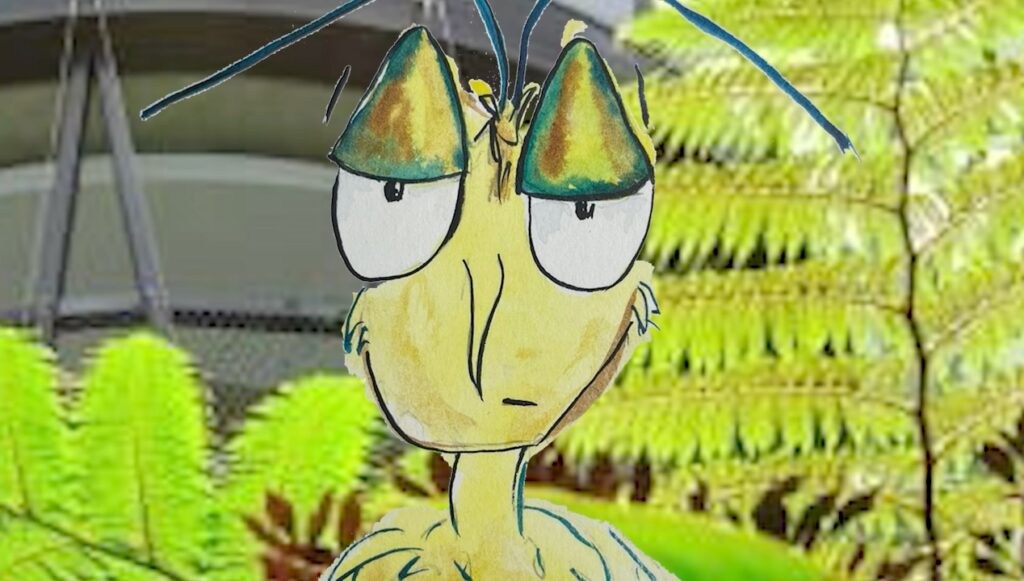
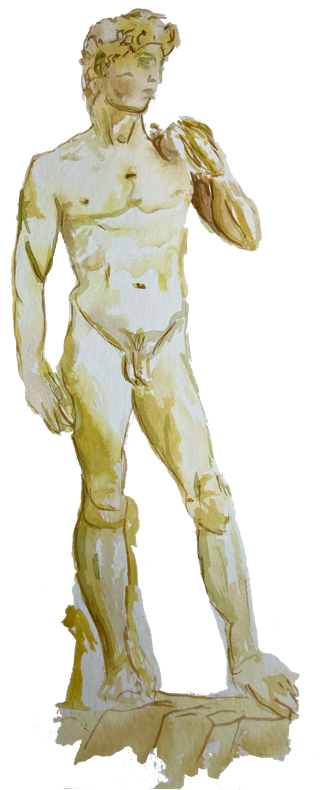
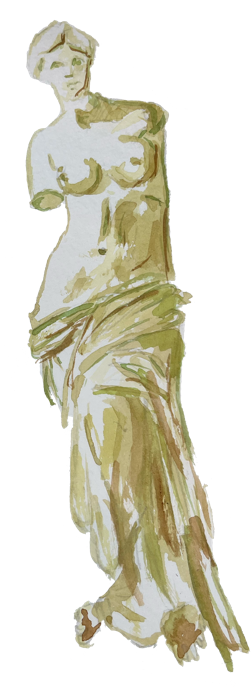
Welcome to sometime in the future when animals are afforded automation to make their lives easier. Come and meet Bee, a worker bee at The Hive who is employed to build hexagonal cells using the wax flakes produced on their abdomen. The wax is carefully moulded, it is a labour of love and they are proud of their work. One day Bee arrives at work to discover their job has been replaced by a machine that can do the work much faster and more accurately. Bee leaves work dejected and depressed. Then Bee notices one of their wax flakes reminds them of a famous artwork and inspiration comes. Bee enthusiastically makes copies of great works of art, an exercise practiced by artists since the Renaissance. Bee is happy with the artworks and decides to show their friend, Steve. Steve promptly melts one of the sculptures in a machine which produces three perfect copies of the original. Bee is not impressed.Beeswax the Movie was made using watercolour drawings digitally animated in Adobe Animate overlayed onto background images of Amazon’s futuristic glasshouse-style headquarters in Seattle, USA using Adobe Premier Pro. Amazon is a global company renowned for its use of robots in its operations but insists on the importance of the company’s human interfaces. Further imaging was sourced by typing prompts into online artificial intelligence site ChatGPT.
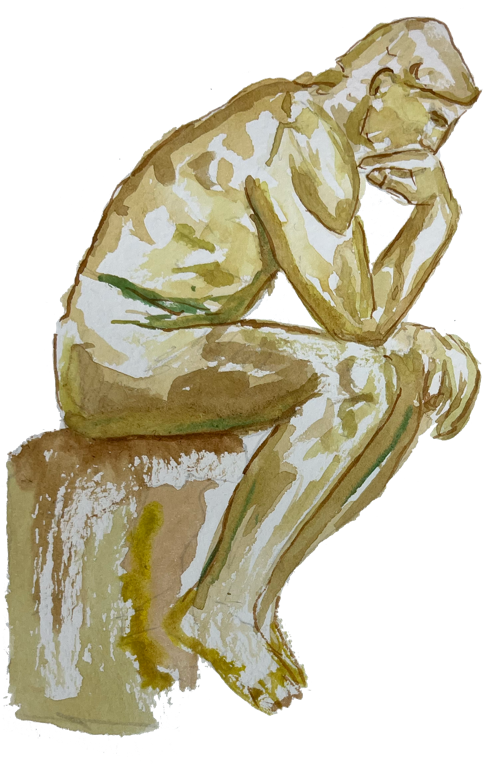
The film is playful, satirical and ironic. It looks at how machinery is incorporated into everyday life. When it comes to creating artworks, it questions whether art is made for the end object or is the process of creating more important? When Steve privileges the multiple perfect renditions of Rodin’s le Penseur over Bee’s original attempt, it diminishes what German philosopher Walter Benjamin would describe as its ‘aura’. In his work The Work of Art in the Age of Its Technological Reproducibility, originally published in 1935, Benjamin coined the term “aura” referring to the unique presence, authenticity and historical significance of a traditional work. This aura is compromised by reproduction, particularly technological reproduction like photography and print[1]. Bee’s version retains aura being handmade and imbued with Bee’s creativity. This is supported by Australian art historian, G.H. Gombrich’s idea that an artist’s need to create precedes the desire for imitation; “But always, I contend, making will come before matching, creation before reference”[2]. Technological reproduction moves art from cult object to a political object and turns art into a commodity. Benjamin describes this anxiety as:
“…the desire of the present-day masses to “get closer” to things, and their equally passionate concern for overcoming each thing’s uniqueness by assimilating it as a reproduction.”[3]
Beeswax the Movie refers to Greta Gerwig’s 2023 film Barbie with the opening waving sequence and theme song. In Gerwig’s film, an iconic Barbie doll questions her identity and purpose. In this film, Bee is faced with similar confrontations where their role is morphed from worker to technician to creator. Beeswax the Movie does not see technology as all together negative. Mechanical advancements in the workplace enable Bee time and mental space to concentrate on their art. It does suggest that the act of creating traditional forms of art that take time, effort and skill has a place separate to art reappropriated or reproduced with artificial intelligence or computer technology. The deep irony of the film lies in the use of computer technology to tell a story of the dopamine hit produced by creating a physical artwork that the artist is proud of.
The second act of the film features the song Tessellate by English band Alt-J (2012). This song is interpreted to be about breaking off a relationship and simultaneously starting another[4]. This helps demonstrate Bee’s transition from ‘worker’ to ‘technician’ to ‘creative’. Hexagons, famously associated with bees, are one of the few tessellating simple shapes along with triangles and squares.
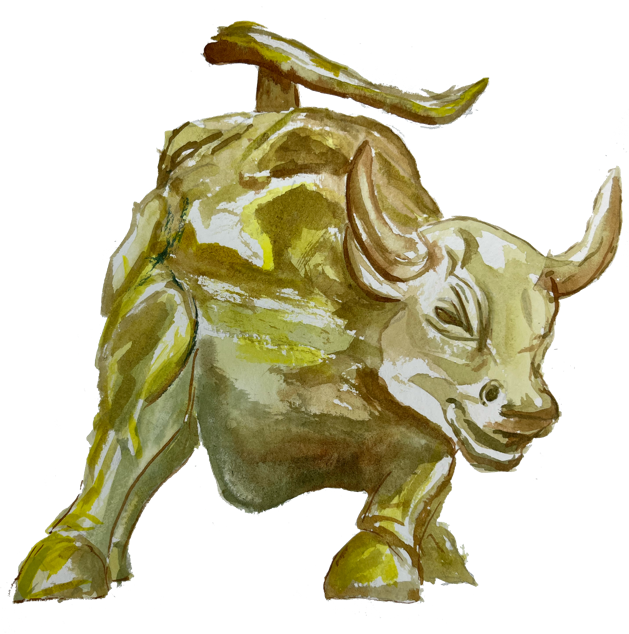
The final song featured in the film is The Heart is a Muscle by Australian band Gang of Youths (2017). This song refers to resilience following a heartbreak. For Bee, this resilience leads to inspiration and the production of art works. Bee feels emboldened by the experience as seen in the appropriation of Arturo Di Modica’s Charging Bull. Bee stands in the place of Kirsten Visbal’s Fearless Girl, facing down the bull.
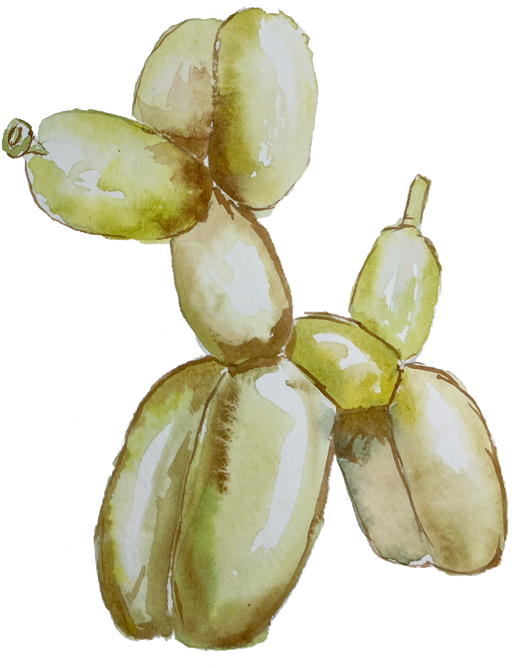
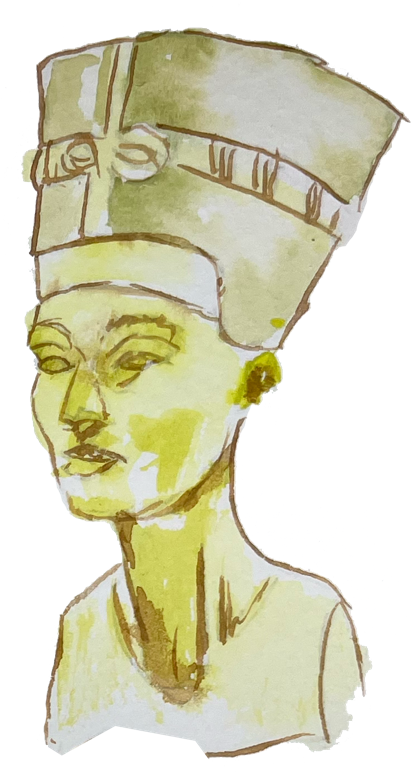
The other great works appropriated in the film are Michelangelo’s David (1501-1504), the Bust of Queen Nefertiti (1345 BCE) attributed to Thutmose, Rodin’s le Penseur (1904), Jeff Koon’s Balloon Dog (1993) and Venus de Milo (c.160 BCE) by ancient Greek sculptor Alexandros of Antioch. These famous works are continually being reproduced making them a commodity.
Overall, Bee is a happy creative. The epilogue to the film, one can only hope, see’s Bee continue their art practise and find joy in it. Leave the perfect renditions to AI and enjoy the process.
[1] Walter Benjamin, The Work of Art in the Age of Its Technological Reproducibility, and Other Writings on Media, (The Belknap Press of Harvard University Press, 2008), p22.
[2] EH Gombrich, Art and Illusion, (Princeton University Press, 1960), p99.
[3] Walter Benjamin, The Work of Art in the Age of Its Technological Reproducibility, and Other Writings on Media, (The Belknap Press of Harvard University Press, 2008), p23.
[4] “Tellelate by Alt-J”, Songfacts, Accessed 14 October, 2024. https://www.songfacts.com/facts/alt-j/tessellate